Until a few years ago, I had never heard of the idea of home milling. I had certainly experimented with various flours, including whole wheat, white whole wheat, rye, and even einkorn. I loved trying out the different flours and thinking about the different properties and nutrition that each brought. But milling flour at home? That was something entirely new to me.
I first encountered the concept when I came across a bread recipe that called for home-milled cracked grains. I wanted to try it and that led me to start researching how to crack grains at home, which quickly became a deep dive into the world of home milling. Like many others, I eventually found my way to Bread Beckers, a website dedicated to home milling and whole grain living. I spent hours watching their videos, learning about the history of commercially processed flour, the issues with store-bought options, and the many benefits of milling your own flour.
Why I Chose to Start Milling
I became convinced that home milling was something I could and should do. Yes, it felt a bit overwhelming at first, but once I got started, I realized how simple and rewarding it really is. Now that I’m set up to mill at home, I use fresh milled flour as often as I can. Of course, I occasionally use store-bought flour for certain recipes, and even a boxed mix if that’s what the moment calls for, but whenever possible, I choose fresh milled.
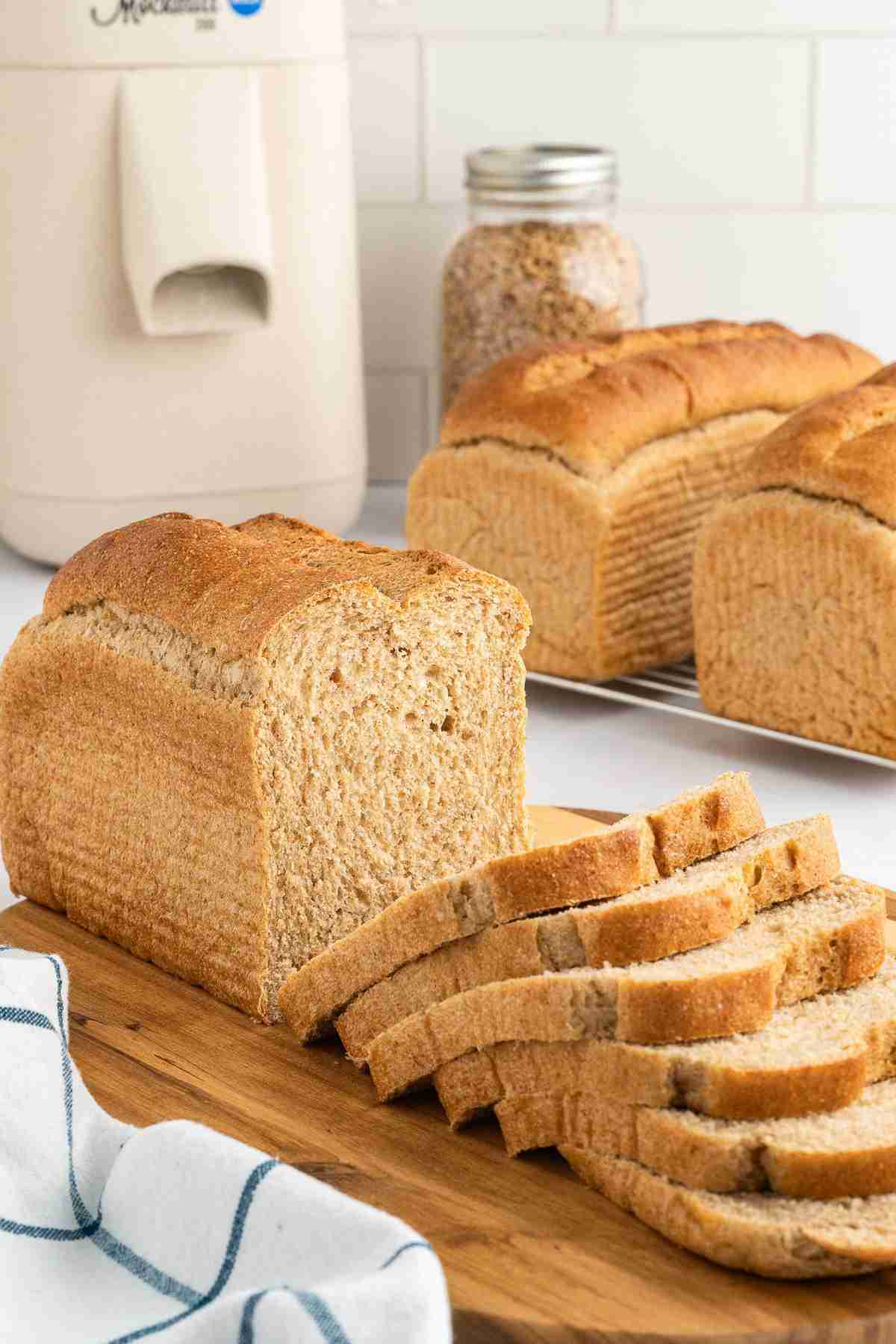
My Fresh Milled English Muffin Toasting Bread is a good example. I used to make that recipe with all-purpose flour, but I feel much better about making it with fresh milled flour now.
If you’re new to the idea of home milling, you might be wondering why anyone would go to the trouble. After all, there are dozens of different flours available at the grocery store, not to mention specialty options online. There’s certainly no shortage of flours to experiment with. So, why mill your own?
For me, the most important reasons are rooted in health. I understand that “healthy” can mean different things to different people. Some avoid grains entirely, and that’s a personal choice I respect. But for those of us who choose to eat grain-based foods, it makes sense to consume the cleanest, most nourishing versions available.
The Nutritional Cost of Commercial Flour
To start, it’s important to understand what happens during flour processing. When grain is milled commercially, it is typically stripped of its germ and bran, leaving only the starchy endosperm. This significantly reduces the flour’s nutritional value. To address this loss, flour manufacturers began enriching white flour in the 1940s, adding back nutrients like thiamin, riboflavin, niacin, folic acid, and iron. These changes came in response to serious public health issues, such as pellagra and beriberi, that arose from widespread nutritional deficiencies.
While enrichment helps restore some of the lost nutrients and resolve those now practically unknown illnesses, it only scratches the surface. Key components like dietary fiber, essential fatty acids, antioxidants, and a broad range of micronutrients are not replaced, at least not in the same quantity or form as nature intended.
Is Whole Wheat Really “Whole”?
And what about whole wheat flour? The label might suggest that it contains the entire grain, but that’s often not the case. Whole wheat flour is typically processed similarly to white flour. After removing the germ and bran, a portion of the bran is added back in and the product is sold as “whole wheat.” But this reconstituted flour lacks the natural structure, proportions, and nutrient density of flour milled from the intact wheat berry. The naturally occurring oils found in the germ are especially vulnerable to spoilage, which is why they’re removed. True whole wheat flour simply doesn’t have the same shelf life.
Why Freshness Matters
That leads to another key point: freshness.
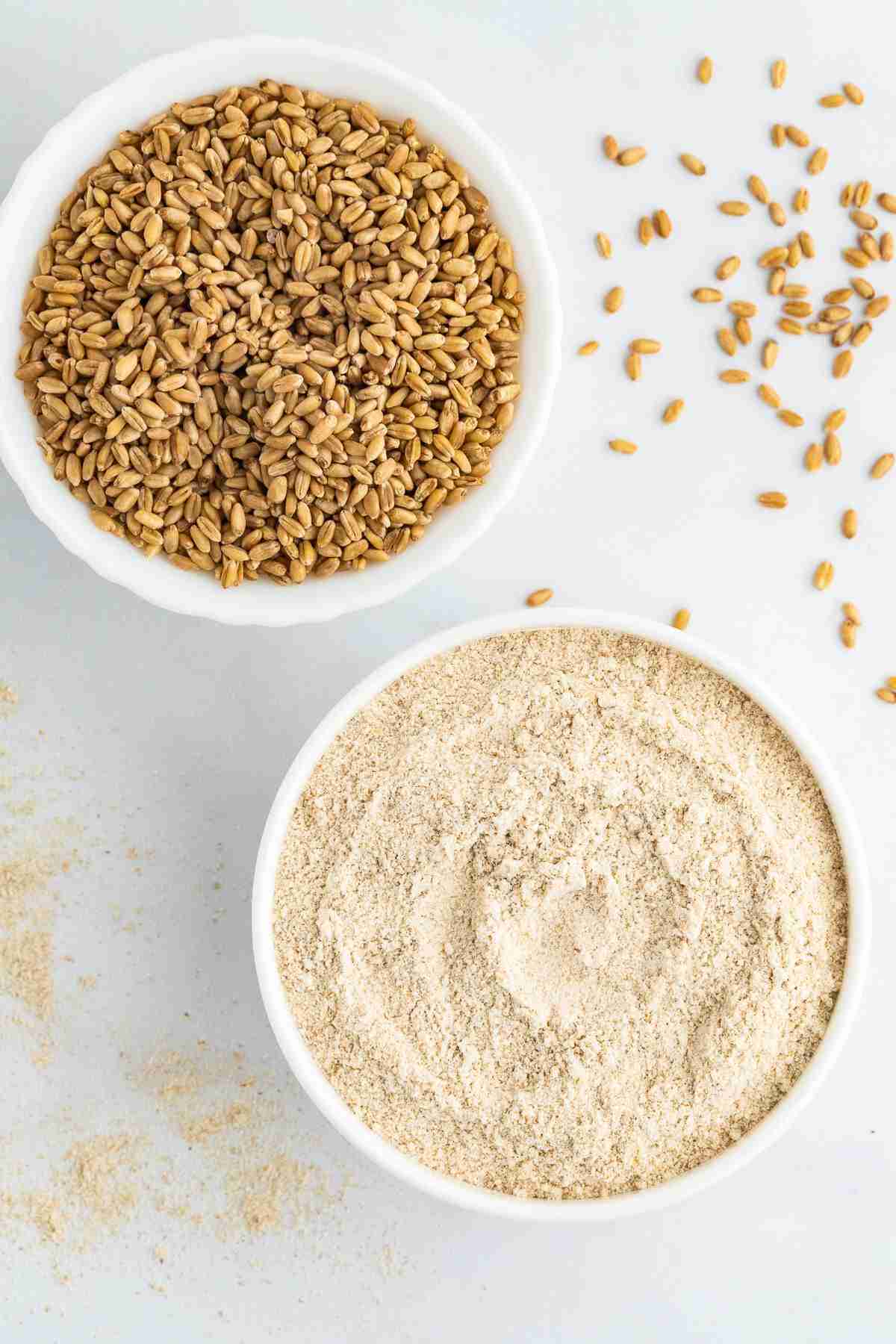
When I mill flour just before baking, I’m using it at its absolute peak. The flavor is deeper and more complex, far more vibrant than store-bought flour. Beyond taste, this freshness matters for nutrition too. Some of the most beneficial nutrients begin to degrade soon after milling. While it’s okay to refrigerate or freeze home-milled flour for a short time (up to a couple of weeks), I typically mill only what I need for each bake. That way, I get the most from every kernel.
Avoiding Unwanted Additives
Equally important is what’s not in home-milled flour. Commercial flours often contain additives like bleaching agents (such as benzoyl peroxide or chlorine dioxide), dough conditioners, and preservatives to extend shelf life and improve consistency. I’m no scientist or professional baker, but as a home cook who cares about what goes into my food, I prefer to limit exposure to unnecessary chemicals. We encounter enough of those in other areas of life; if milling my own flour can reduce that burden, I’m all in.
Why It Matters to Me
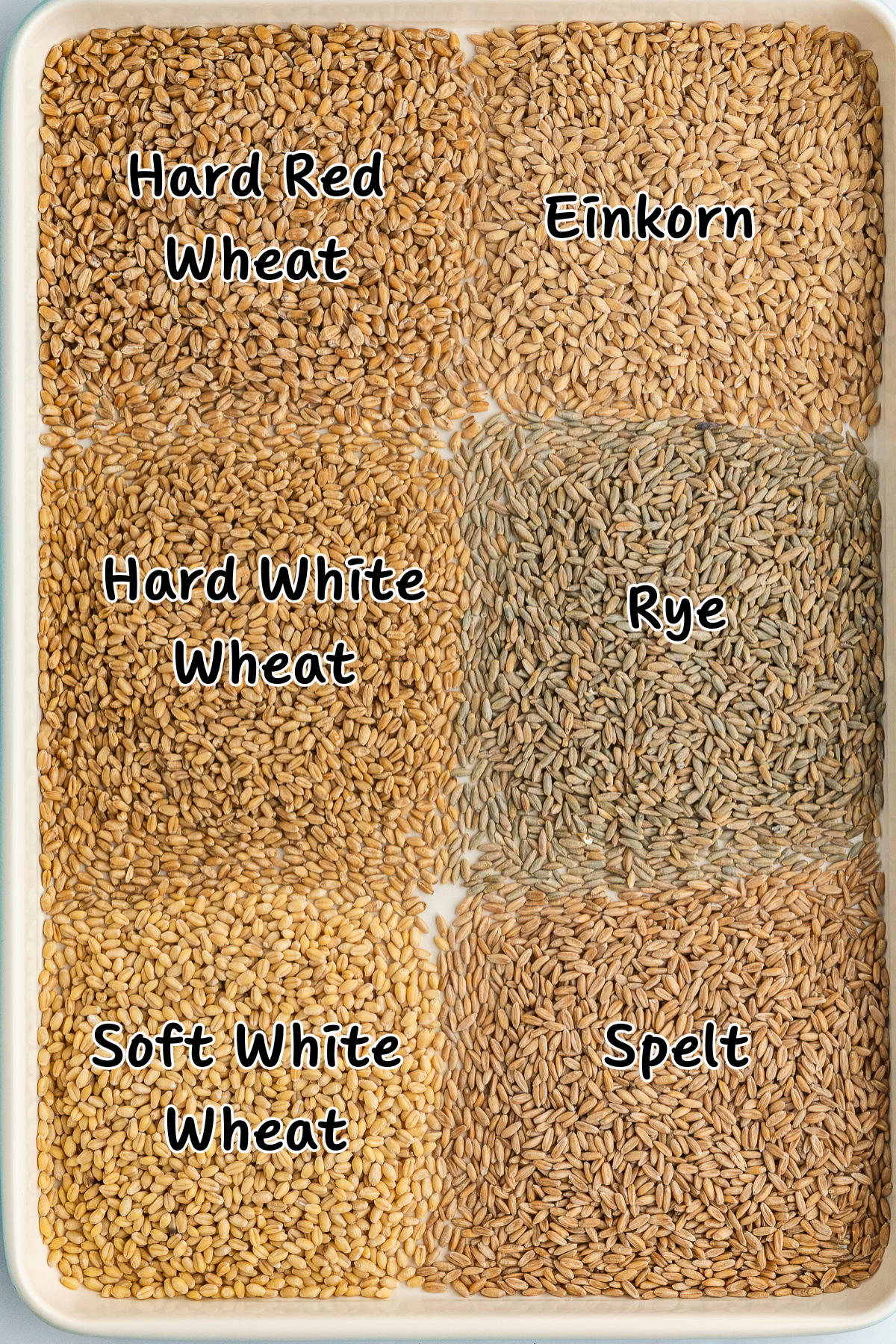
Milling flour at home may not be the most common route, but for me, it’s an essential one. It brings together health, flavor, and freshness. But beyond those tangible benefits, it also aligns with how I want to live: intentionally, mindfully, and with an appreciation for the origins of the food I prepare. I seek out organic grains from reputable sources and I love knowing I’m making the best choice for myself and my family.
There’s something very satisfying about knowing exactly what goes into my flour. I’m not relying on a factory to make choices for me; I’m taking an active role in the ingredients I use to bake with. I choose the exact grain or combination of grains for each bake. It’s empowering, and honestly, kind of fun too. Each time I bake, I learn something new and that carries into my next bake.
While fresh milled flour is now at the heart of my baking, I also believe in flexibility. Sometimes I make recipes that will be enjoyed by people who aren’t familiar with the taste and texture of fresh milled flour. And other times, I’m not really looking for a “healthy-ish” treat, but just a fun celebration bake. For example, I might make a few dozen cupcakes for a birthday party, and in that case, I’ll turn to my trusty “doctored mix” recipes. My goal isn’t perfection – it’s to make intentional, informed choices most of the time.
Getting Started with Fresh Milling
If you’re curious about fresh milling, I encourage you to explore the topic further. You might be surprised by what you learn about the history of flour and how it impacts our modern diet. Bread Beckers is a great place to start, and there are many other communities and resources available.
I wrote a follow-up post you can read to get more detail on how exactly home milling fits into home baking: Getting Started With Fresh Milled Flour.
And remember, home milling doesn’t have to be an all-or-nothing shift. If your family is used to white flour, start by replacing just a quarter of the flour in your favorite recipes with fresh milled flour. That small change won’t drastically affect texture or taste but will still bring added nutrition. Over time, you can gradually increase the ratio and adjust hydration as needed.
If you’re new to baking, don’t worry, baking is a skill like any other. Start small with pancakes or cookies, which are more forgiving than bread, and go from there. You can also browse all of my fresh milled flour recipes for more ideas. Yes, there is a learning curve, and no, your first loaf might not look perfect. But I can almost guarantee it will still be delicious.

Other Resources
https://www.youtube.com/@BreadBeckers
https://pleasanthillgrain.com/resources/grain-mill-comparison-feature-review